What We Carry In Silence
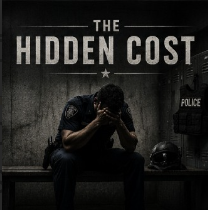
There is a particular kind of lie that thrives in first responder culture.
It rarely sounds dramatic. It usually doesn’t sound like denial. Most of the time, it sounds
disciplined. Professional. Mature.
“I’m good.”
“I’ve seen worse.”
“It’s just part of the job.”
“I don’t need to talk about it.”
For police officers, firefighters, paramedics, dispatchers, corrections officers, and every other
profession that lives close to crisis, those phrases can feel like a badge of competence. You saw something ugly. You handled it. You went back in service. You did your job. That is what the
public expects, what the team needs, and what the uniform seems to demand.
So you move on. Or at least you tell yourself you did.
The problem is that trauma does not operate by the rules of shift work. It does not clock out
because you did. It does not disappear because you stay functional. It does not vanish because
you buried it under overtime, dark humor, nicotine, caffeine, gym sessions, anger, isolation, or
another month of saying you’re fine.
It waits.
And if you keep feeding it silence, it grows.
That is one of the most dangerous realities in this line of work: not just the call itself, not just the
wreck, the shooting, the pediatric code, the fire, the suicide, the assault, the body on the floor, or the sound you still hear when the room gets quiet. The danger is what happens when a man or woman spends years swallowing those moments whole and calling it strength.
Eventually, what is buried starts leaking.
It leaks into your sleep first. You become tired in a way a day off doesn’t fix. You wake up
wired, irritable, restless, or numb. Then it leaks into your marriage, your patience with your kids,
your ability to sit still in church, your temper in traffic, your willingness to answer the phone,
your appetite, your drinking, your faith, your attention span, your ability to feel anything at all.
You become short-fused or shut down. Hypervigilant or detached. You either carry the job home every night or become a stranger in your own house. And because you can still put on the uniform, still run calls, still clear scenes, still joke with the crew, still hit your times, still perform under pressure, everyone, including you, can mistake survival for health.
Surviving is not the same thing as being okay.
There is a version of toughness in our professions that deserves to be honored. It is the toughness that runs toward the wreck, steps into chaos, makes hard decisions, keeps moving when others freeze, and bears responsibility when the moment is ugly. That kind of toughness matters. It saves lives.
But there is another version of toughness that is counterfeit. It tells you that if the trauma didn’t
kill you on scene, then it doesn’t get to affect you later. It tells you that asking for help is
weakness, that opening up is self-indulgent, or that “real” professionals keep it buried and keep
moving. It confuses emotional suppression with resilience and isolation with strength.
That lie has buried too many of our people.
We have people in this profession who can intubate in a ditch, force a door, clear a building,
work a code in a moving ambulance, make a deadly force decision in seconds, and lead others
through mayhem. However, to say the words “I am not doing well” is harder than any job
demand for us.
Not because we are cowards. Rather, because we were trained, culturally and personally, to
believe that silence was part of the oath. It is not.
You do not honor the badge, the patch, the shield, or the title by slowly letting the job hollow you out. You do not serve your team well by refusing to deal with what is eating you alive and then calling that professionalism. There is nothing noble about waiting until trauma has had twenty years to build a home in your nervous system. There is nothing strong about letting it poison your marriage, your leadership, your faith, your health, and your future because you were too proud, or too conditioned, to let someone in.
Real strength looks different. Real strength is honesty before collapse. It is the officer who
finally admits that the shooting never left him. It is the firefighter who says the dead child still
shows up in his dreams. It is the paramedic who recognizes that the cynicism, rage, and
emotional flatness are not just “burnout” but accumulated damage. It is the dispatcher who
finally says that hearing terror all day from behind a headset still counts.
This does not mean first responders should become fragile, self-absorbed, or unable to carry hard things. The point is that carrying hard things takes more than grit. It takes processing, honesty, brotherhood, humility, and sometimes professional help. The strongest thing you may do this year may not be gritting your teeth and grinding harder. It may be finally refusing to keep bleeding in silence.
If you work in EMS, fire, law enforcement, dispatch, corrections, or our military, hear this
plainly: if the job has started to change you in ways you don’t like, act. If you are angrier, colder,
reckless, isolated, numb, exhausted, checked out, dependent on alcohol, detached from your
family, or less like the person you know you’re supposed to be, do not wait for a full collapse to
admit there is a problem.
Talk to someone worthy of the truth. A spouse. A trusted brother on the job. A chaplain. A
clinician who understands first responders. A leader with enough maturity to hear you without
trying to fix you in sixty seconds. Just talk.
Not because you are weak. Because you are responsible.
Responsible to your family, your crew, the people you lead, and the oath you took. Responsible
to the God who gave you a life that is worth more than being consumed by the worst day you
ever saw.
The line of work will always be heavy. That will not change. The calls will still come. The public
will still need men and women willing to go toward pain instead of away from it. But if we want
to build responders who last, who remain competent, dangerous when necessary, compassionate when needed, and present at home, we have to stop pretending that silence is strength.
Sometimes the most destructive thing trauma ever hears is, “I’m fine.”
And sometimes the first real act of recovery begins when a first responder finally says, “I’m not.”
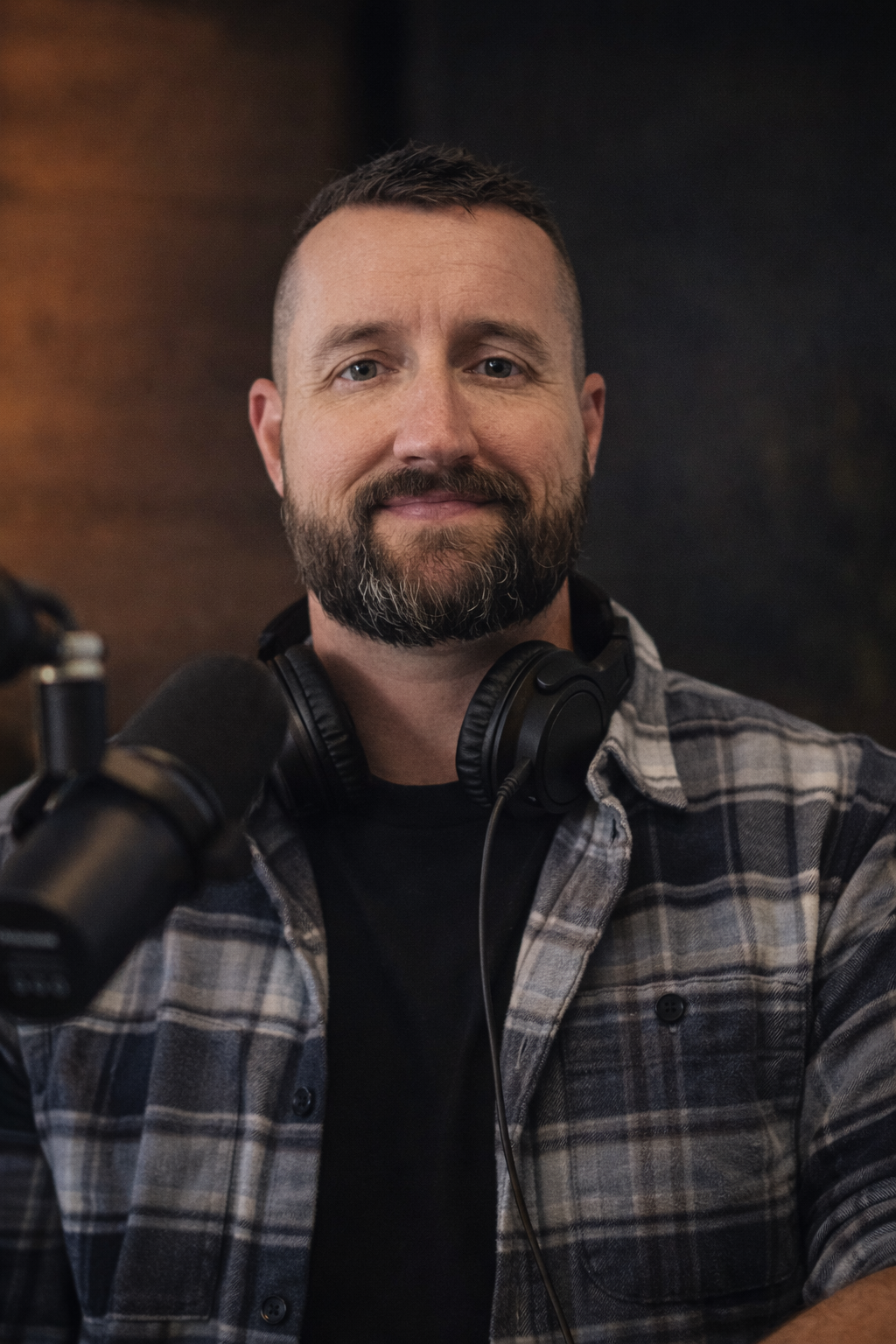
Host
Brandon Waldorff is a Coast Guard veteran and seasoned paramedic with more than 20 years of combined service in military and civilian emergency response. Throughout his career, he has led teams, managed operations, and served on the front lines of high-pressure situations where leadership, resilience, and quick decision-making matter most.
Driven by a deep respect for service and a passion for people, Brandon brings a unique perspective shaped by real-world experience, discipline, and a commitment to continual growth. His work extends beyond emergency services into leadership development, storytelling, and exploring the lessons found in history, hardship, and the outdoors.
Through The Line and The Oath, Brandon shares insight, stories, and conversations designed to challenge, encourage, and equip others to live with purpose, strength, and faith.
When You’re Too Angry To Pray Cleanly