

 Apple Podcasts
 Spotify
 Amazon Music
 YouTube
 Podchaser
 What You Can't Unsee | Richard Burns
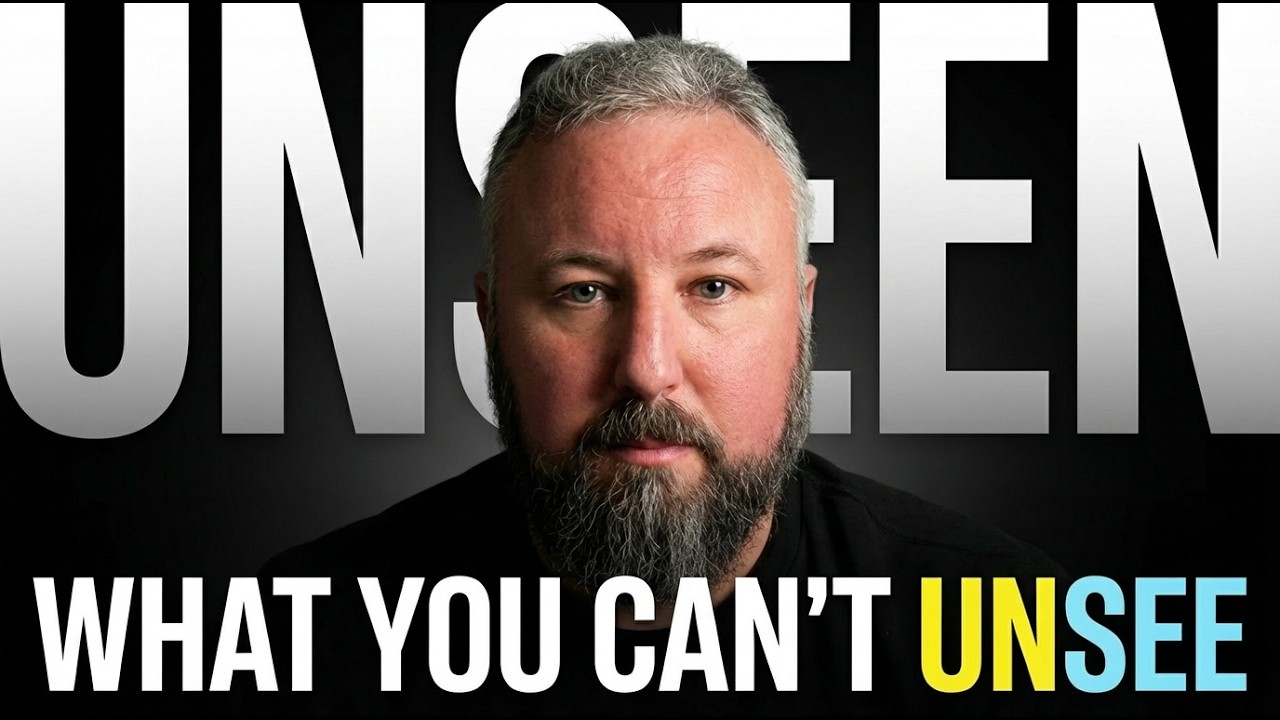
In this episode, Richard shares what that kind of exposure actually does to you over time. From fatal scenes to the responsibility of reconstructing how and why they happened, this conversation goes beyond the job—it’s about the accumulation, the weight, and the things you don’t leave behind when the shift ends.
We talk about the reality of trauma in first responders, the culture around mental health, and the gaps that still exist in support systems. Richard also speaks on his role in helping solve a 20-year-old double homicide and why moments like that don’t always bring the closure people expect.
This isn’t just about service.
It’s about what it turns into over time.
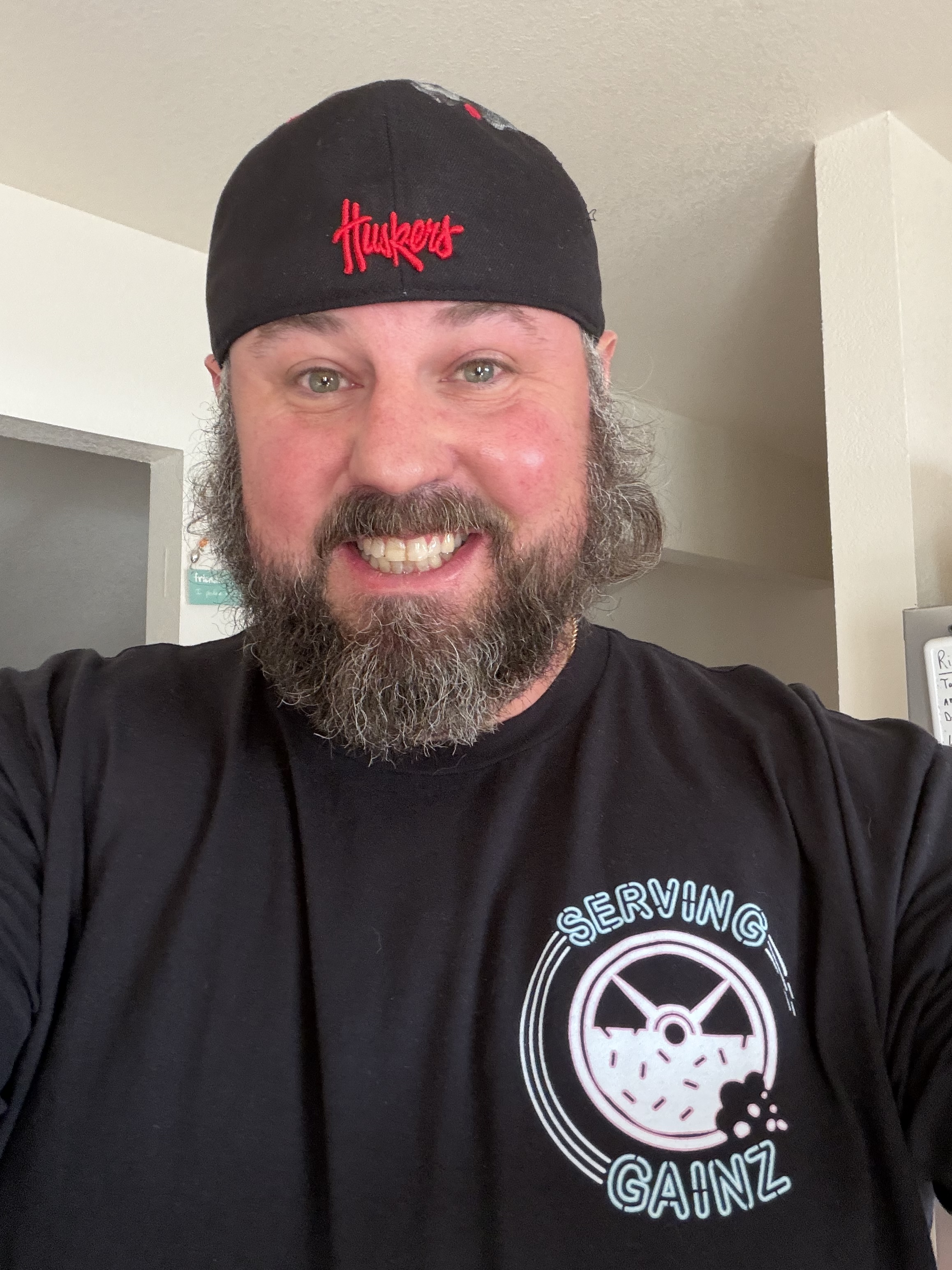
Law Enforcement | Marine and Navy Veteran
Richard Burns has built a career in service across multiple fronts, beginning in the United States Marine Corps and continuing with the United States Navy before transitioning into law enforcement.
He spent over a decade with the Pueblo Police Department, specializing in DUI enforcement and accident investigation. As a certified accident reconstructionist, Richard has worked countless scenes, analyzing the most critical moments of people’s lives and determining exactly how and why they happened. His experience also includes serving as a Less Lethal Instructor, Pepperball Instructor, and EVOC Instructor—training others to operate under pressure in high-risk situations.
During his career, Richard contributed to solving a 20-year-old double homicide out of Huntington Beach, California, helping bring long-awaited answers to a case that had remained unresolved for decades.
Today, his focus has shifted beyond the job itself. Drawing from years of exposure to trauma and high-stress environments, Richard is an advocate for first responder mental health and is working toward advancing meaningful change, including the pursuit of national-level legislation to better support those who serve.